ROME
Rome is a city that speaks through stone. From shadowed ruins to light-filled piazzas, it holds centuries of stories without ever feeling still, asking only that you explore and absorb. Walking its streets felt like moving through time, where history is woven into the everyday. During a “lost” phase in my life, I lived with a friend in Rome for seven weeks, using it as a base to explore Italy. It was amongst the best times of my life.

My first introduction to Rome was as a child, when my father came home from a trip to the “Eternal City”, having been relieved of his wallet on a local train. My second taste of Rome came years later, through Roman Holiday, which I watched when I was eighteen. Audrey Hepburn, impossibly graceful and glowing, swished around the city, occasionally on a Vespa, making Rome seem like the sort of place where one might casually stumble into beauty, romance, and excellent tailoring. By late 2018, it was time for my own Roman chapter. I based myself in the city for seven weeks, very generously overstaying my welcome at the home of my friend Ishy.
Rome, of course, is known for many things: architecture, art, culture, cuisine, chaos, and history layered so thickly it feels almost unreasonable. Legend has it that the city was founded by the brothers Romulus and Remus in 752 BC. Romulus, in true mythological fashion, killed Remus and named the city after himself. A dramatic start, but somehow very on-brand for Rome.
The best way to see Rome, in my experience, is on foot. There are uneven cobblestones, alarming traffic, and in some areas, a near-constant crush of tourists. But Rome rewards the walker. It reveals itself slowly, through piazzas, ruins, domes, fountains, churches, river views, narrow lanes, surprise courtyards, and the occasional life-saving gelato. So, I’m writing it the way that makes most sense to me: as a series of walks.

WALK 1: TESTACCIO TO THE COLOSSEUM
One of my earliest walks began in the wonderfully unpretentious neighbourhood of Testaccio, where we were staying. Testaccio is often spoken of as one of the best places for Roman food, and I am not inclined to argue. It is full of family-owned pizzerias, gelaterias, cafés, and shops, the sort of neighbourhood where people seem to be going about their actual lives rather than performing Italy for visitors.
From there, I walked down Via Marmorata, across Parco della Resistenza, and onto Viale Aventino. My first stop was Circus Maximus, or Circo Massimo, once the largest chariot-racing stadiums in ancient Rome. Today, very little of its former structure remains. It takes a fair bit of imagination to see it as it once was: a vast arena in the valley between the Aventine and Palatine hills, filled with crowds, noise, dust, spectacle, and competition. Without that imagination, it is mostly a long grassy stretch. But I can confirm that it makes an excellent lunchtime picnic spot.

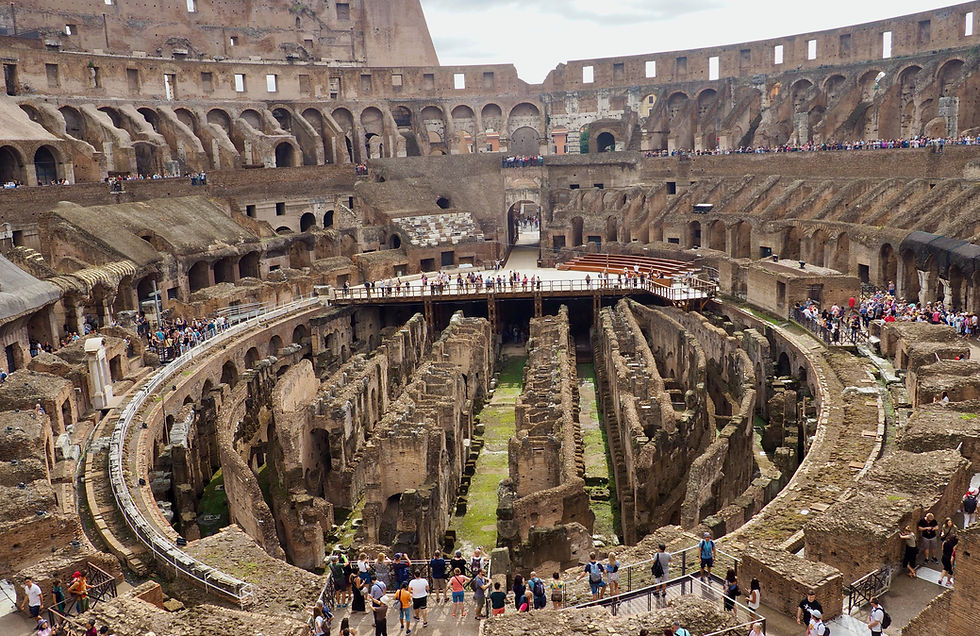
From there, I continued towards the Colosseum. Even if you have seen it in a hundred photographs, the Colosseum still feels enormous in person, both physically and historically. Its arches, eighty in all, are instantly recognisable. Built of stone and concrete, the Colosseum, or Flavian Amphitheatre, once held more than 50,000 spectators and staged gladiatorial games, animal hunts, executions, and other forms of public spectacle. It took me about forty-five minutes to get inside, caught in a determined sea of people trying to do the same. Once in, I found the experience both fascinating and unsettling. It is difficult to stand in a place designed for entertainment and not think about the violence that entertainment required.
A few things I learned stayed with me. The Colosseum had systems to mist spectators with perfume made from saffron steeped in wine, which feels almost absurdly luxurious when contrasted with the drainage systems needed to wash away blood and remains from the arena. Thousands of animals were killed during the games, including elephants, leopards, tigers, lions, and bears. Most gladiators were enslaved people forced to fight, though some free-born citizens also volunteered in the hope of winning money and fame. Walking around the remains of the Colosseum and listening to its history was more disturbing than anything. I’m glad I went, but I’m not sure I would go inside again.
On my way out, I realised I had almost completely missed the Arch of Constantine, which stands right beside the Colosseum. Commissioned by the Roman Senate, it commemorates Emperor Constantine’s victory in battle in AD 312. By then, however, I was too tired to properly appreciate it and made my way back to Testaccio, gelato in hand.
(A few days later, I visited the Colosseum again at sunrise. This, I would highly recommend. The early light turned the structure golden, and apart from a few photographers and early birds, there was almost no one around. It was the closest I came to experiencing the Colosseum quietly.)


WALK 2: TESTACCIO TO THE VATICAN
Another morning began exactly as many good Roman mornings should: with breakfast at Testaccio Market. My stop was Mordi e Vai, which served what may have been one of the best sandwiches I have ever eaten. Suitably fortified, I headed towards Ponte Sublicio and down to the walkway along the River Tiber.
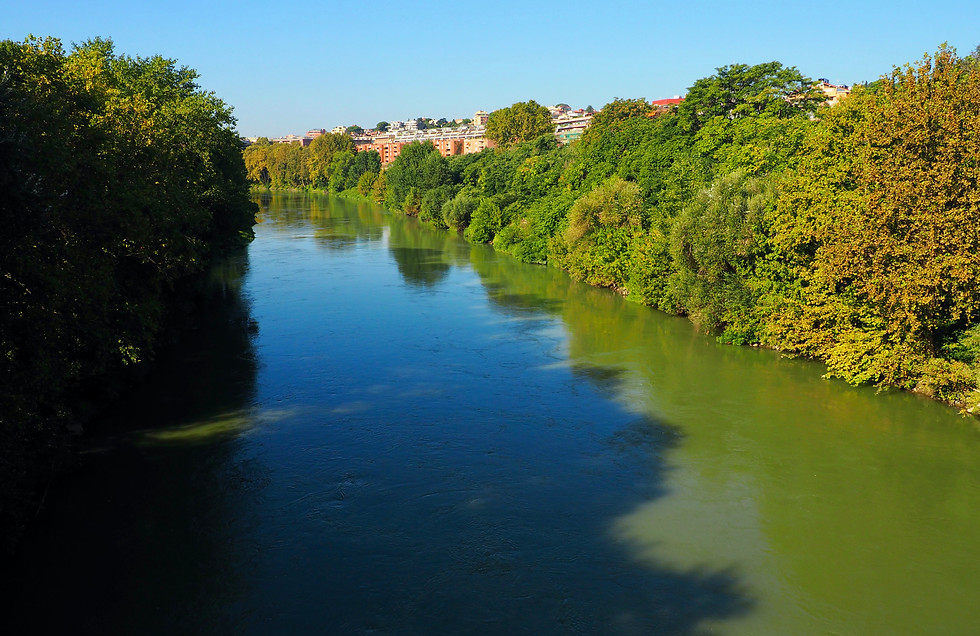
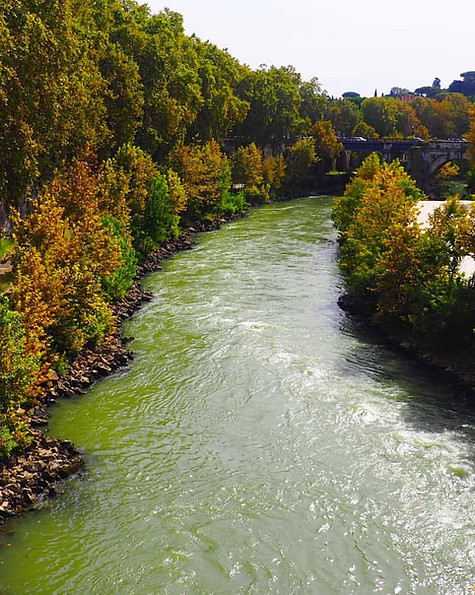
The walk from Testaccio to Vatican City took me a little over an hour. It was beautiful and unexpectedly meditative. The Tiber, one of Italy’s longest rivers, curved gently through the city, and walking beside it gave Rome a softer rhythm. Away from the crowds and traffic, the city felt less theatrical and more lived-in. Eventually, the river path brought me towards Ponte Vittorio Emanuele II, from where I could see Castel Sant’Angelo, a second-century structure that has served, over time, as mausoleum, fortress, papal refuge, and museum.
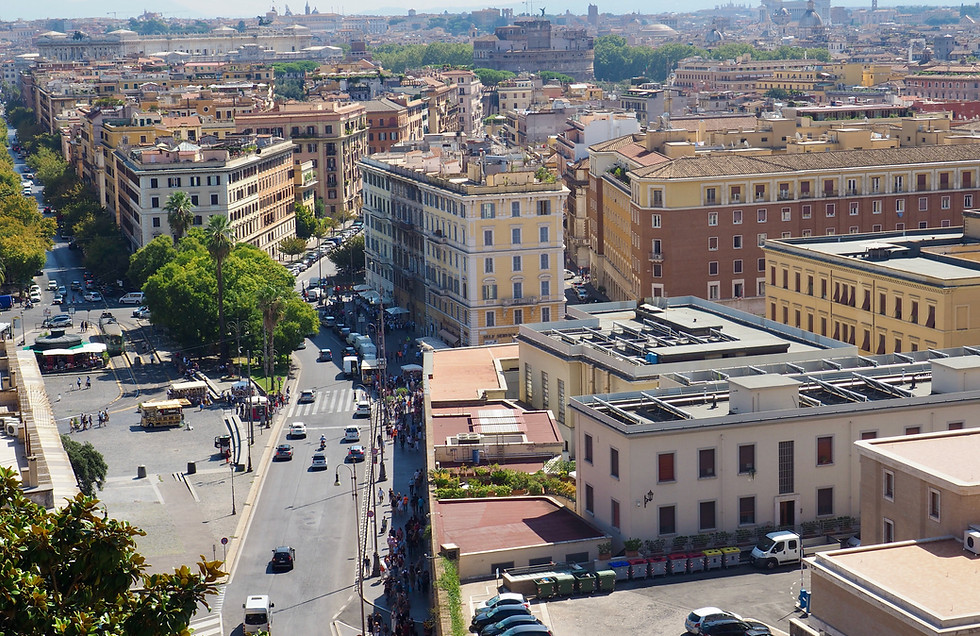
I climbed back up to street level and followed Borgo Santo Spirito towards St. Peter’s Square. I spent six hours in Vatican City. This sounds excessive until you are there. Vatican City may be the smallest country in the world by land area, but it contains an overwhelming concentration of art, architecture, religion, power, history, and people walking annoyingly slowly in large groups.

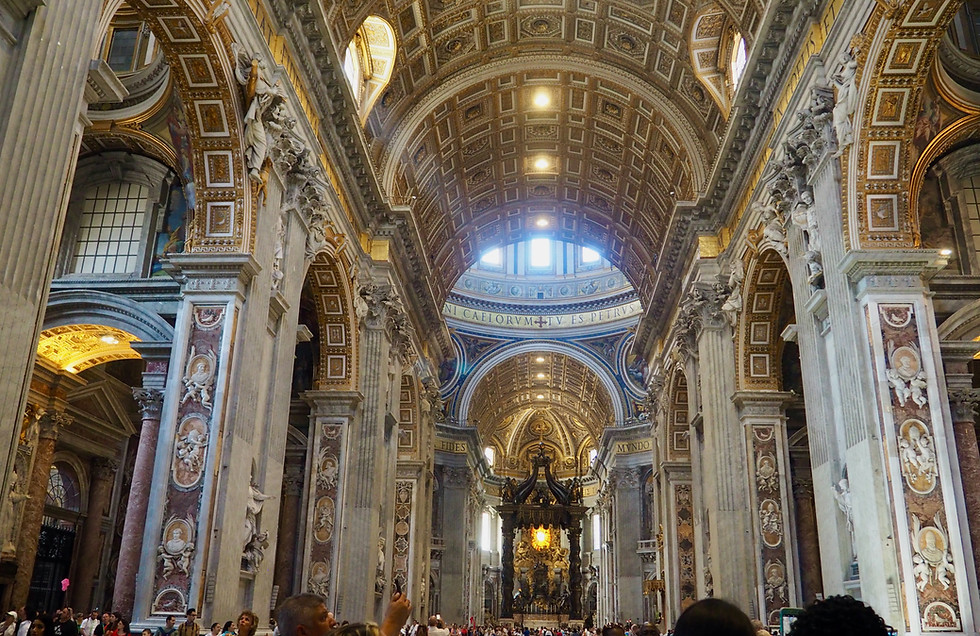
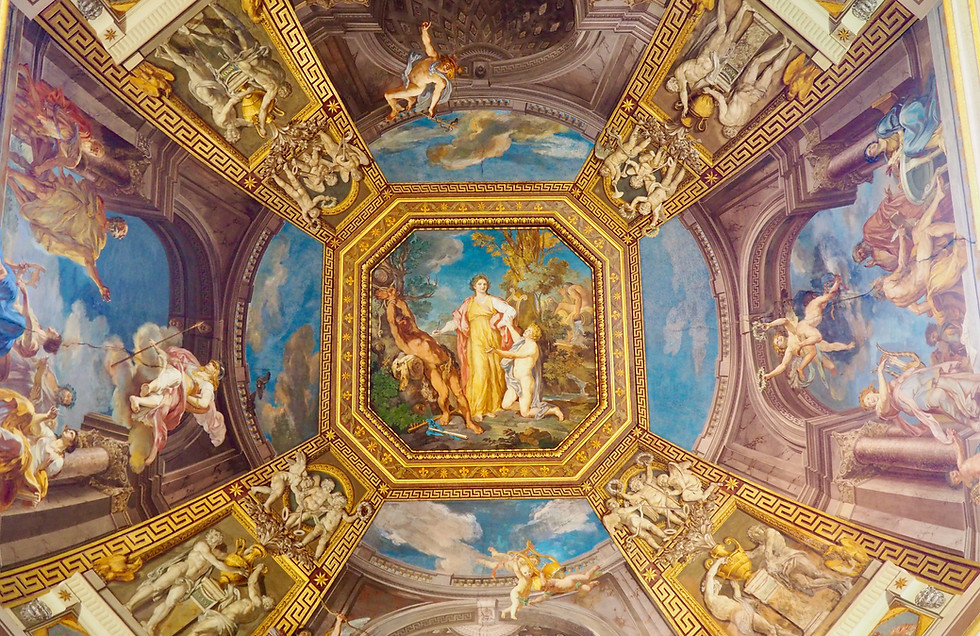
The Vatican Museums are immense, a labyrinth of rooms containing the vast collection of art amassed by the Popes over centuries. There is too much to take in properly. After a point, even the most extraordinary paintings, sculptures, ceilings, tapestries, and maps start to blur into one another.
The Sistine Chapel, however, does not blur. It is one of those places that has been reproduced so many times that you almost expect it to feel familiar. But standing beneath Michelangelo’s ceiling, looking up at the scenes from Genesis, including the Creation of Adam, it still feels astonishing. Also dizzying. Very literally. After a while, craning my neck became too much, so I lay down on one of the benches to look up at it properly. This was an excellent decision, interrupted only by the occasional bellow of security guards policing secret photography and general lingering.
By the time I reached St. Peter’s Basilica, I was exhausted. The coolness and calm of the church felt like relief. So I sat down at the back and promptly took a nap. It remains one of the most peaceful sleeps I have ever had!



WALK 3: ROME BY NIGHT
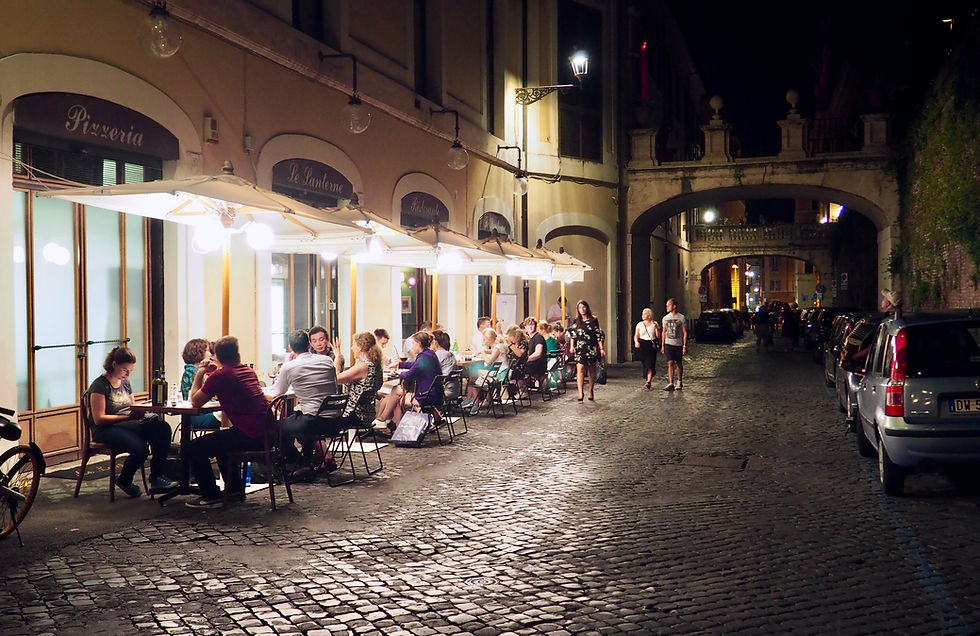
My favourite walk in Rome was one I did several times, both during the day and late in the evening. At night, Rome has a different energy. The crowds are still there, but the city glows. The ruins are lit dramatically, fountains shimmer, restaurants spill out into piazzas, and everyone seems to be walking somewhere wonderful. We began, once again, from Testaccio and walked towards the Colosseum. From there, we continued past the Roman Forum, which at night looked especially magnificent.
The Forum is now a sprawling field of ruins, but for centuries it was the social, political, and commercial heart of ancient Rome. With a little imagination, it becomes possible to picture temples, basilicas, markets, public speeches, ceremonies, and the machinery of empire. Somewhere among these ruins, Julius Caesar was cremated after his assassination in 44 BC. The Curia, the original seat of the Roman Senate, still stands. We also spotted the Rostra, the podium from which Shakespeare has Mark Antony deliver his famous “Friends, Romans, countrymen…” speech in Shakespeare's Julius Caesar. From Palatine Hill, we got a grandstand view over the Forum, the sort of view that makes you realise Rome is not merely a city with ruins in it. It is built around, on top of, and in conversation with them.

From there, we made our way towards the Trevi Fountain. Trevi Fountain is one of Rome’s most famous landmarks, and for good reason. It is grand, theatrical, and completely overrun. The legend says that if you stand with your back to the fountain and toss a coin over your left shoulder, you are guaranteed a return to Rome. I cannot remember if I did this properly, but I would like the universe to know that I am open to returning.
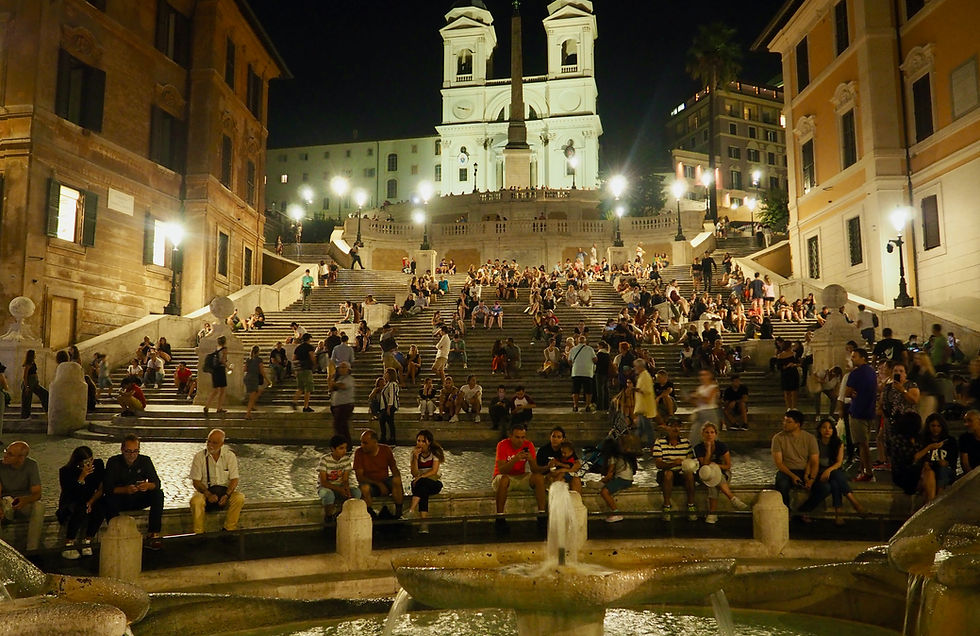
Recently renovated when we visited, The Spanish Steps were wonderful at night, bustling with crowds and energy. I visited them once at sunrise and they were peaceful and beautiful (and reminded me a little of Our Lady of Immaculate Conception Church in Panjim, Goa and its lovely stairs). Rome also rewards those willing to wake up before everyone else.
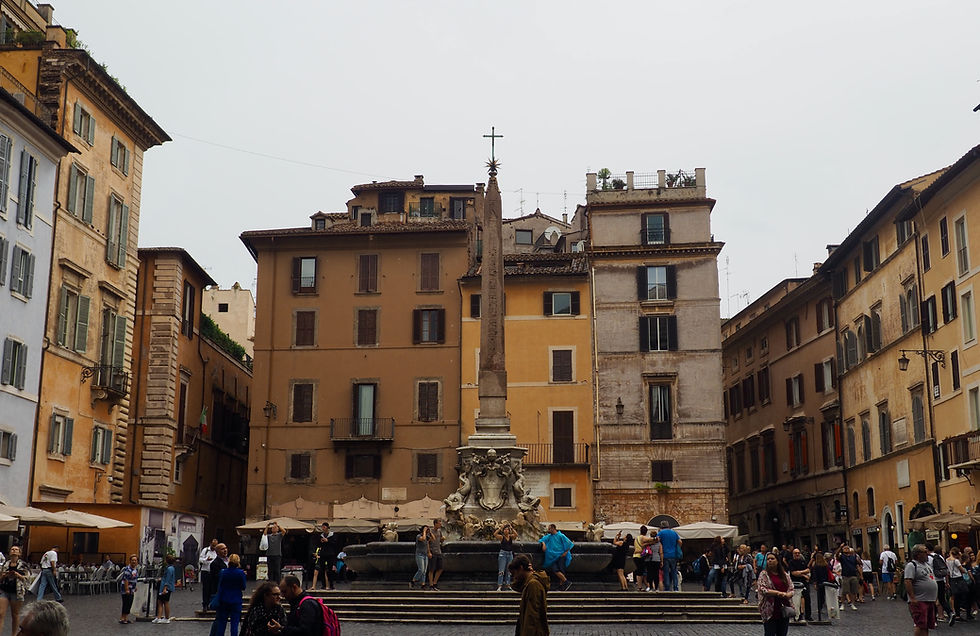
Next came the Pantheon, one of the best-preserved ancient monuments in Rome. It is the kind of building that humbles you quietly. From the outside, it is impressive. From the inside, beneath that extraordinary dome and open oculus, it feels almost impossible.
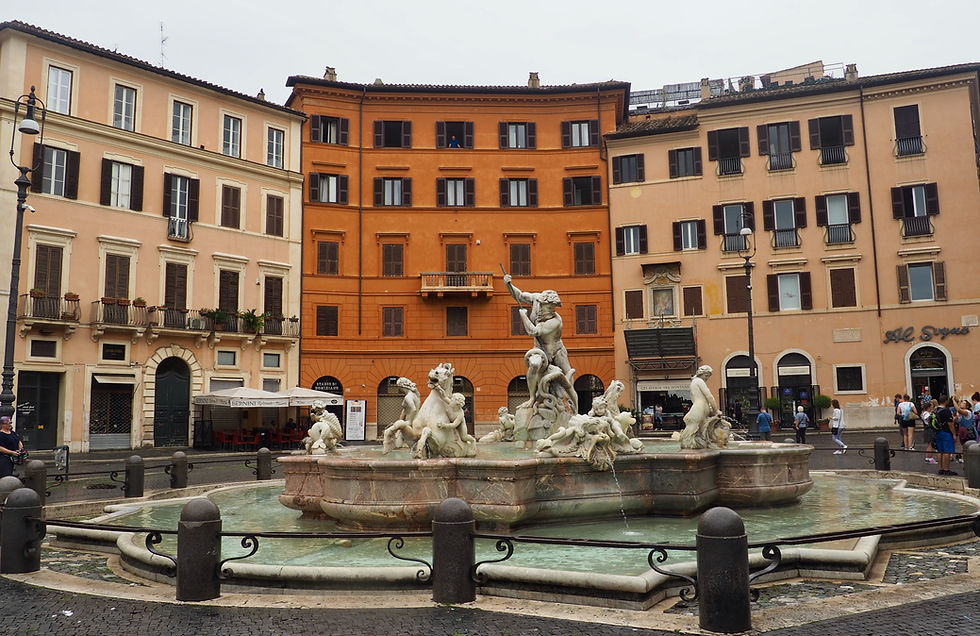
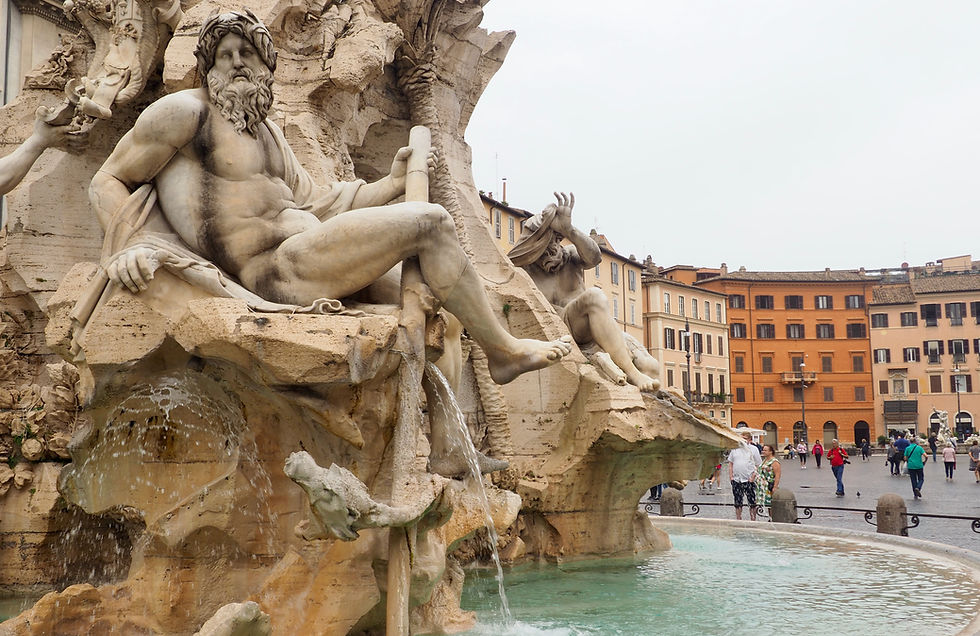
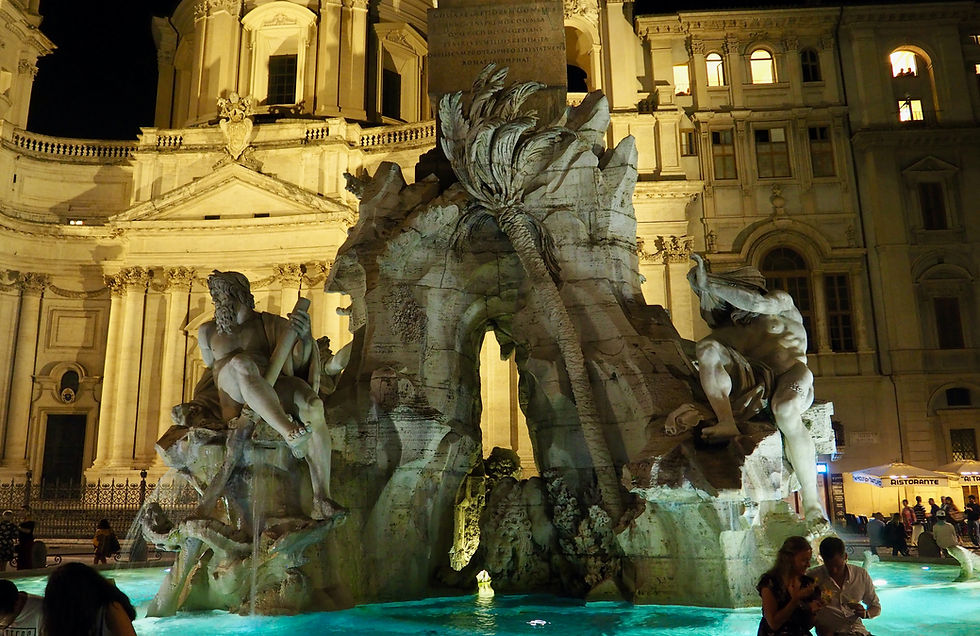
We continued to Piazza Navona, one of Rome’s most beautiful public squares, and then, because no walk in Italy is complete without strategic sugar, to Giolitti for gelato. If you know what’s good for you, order a double scoop: dark chocolate and raspberry. Be prepared to fight the crowds to get it. It is worth every elbow.

CHURCHES, PIAZZAS, KEYHOLES & OTHER ROMAN DETOURS
Rome is not the sort of city where you only visit the “main” sights. Even when darting between attractions, it is the smaller streets, open doorways, courtyards, bells, chapels, and unexpected views that stay with you. One of my favourite activities in European cities is looking through open doors and gates into inner courtyards (without being invasive). Rome is particularly rewarding in this regard. Behind heavy doors and plain façades, there are often glimpses of potted plants, staircases, fountains, laundry, tiled floors, or golden afternoon light. Tiny private worlds, briefly visible.
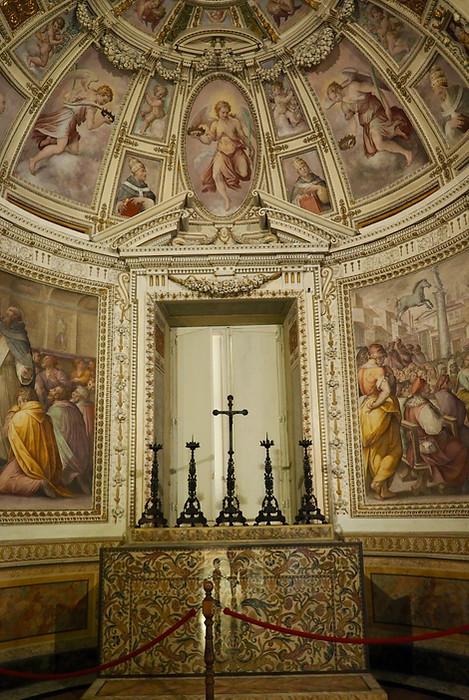
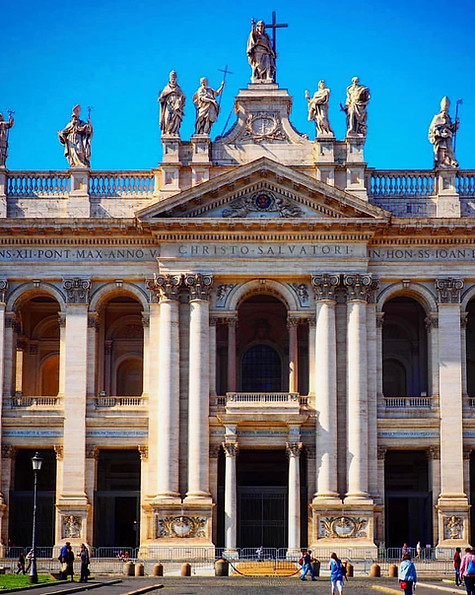
Some of my other walks took me past some of Rome’s major basilicas: Santa Maria Maggiore, San Giovanni in Laterano, San Pietro in Vincoli, and San Paolo Fuori le Mura. Rome’s churches are not merely places of worship; they are repositories of art, politics, devotion, architecture, and memory. You can walk in casually to escape the heat and find yourself standing beneath a ceiling, mosaic, sculpture, or relic that would be the centrepiece of a museum anywhere else.
Another Roman curiosity I loved was the Aventine Keyhole, tucked away in the gardens of the Villa del Priorato di Malta. Through a small keyhole, you get a perfectly framed view of St. Peter’s Basilica in the distance. It is a tiny, almost theatrical pleasure, and very Roman in its layering: a private doorway, a hidden garden, a sovereign order, and the dome of St. Peter’s lined up like a secret.
Then there is the Bocca della Verità, or Mouth of Truth, housed in the porch of Santa Maria in Cosmedin. The church itself is a beautiful example of medieval architecture, but most people come for the large stone mask outside, made famous by the legend that it will bite off the hand of liars. I am embarrassed to report I was too much of a wuss to try it.
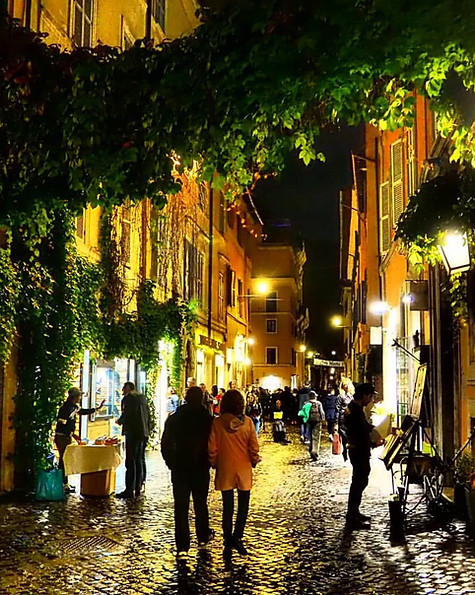
Across the Tiber lies Trastevere, one of Rome’s most charming neighbourhoods, and a favourite of mine so it gets special mention. Its name comes from the Latin trans Tiberim, meaning “beyond the Tiber,” and it has the feel of a place slightly apart from the monumental centre of the city. Trastevere is all narrow lanes, cobblestones, ivy-covered buildings, medieval houses, trattorias, pizzerias, café terraces, and a very lively evening atmosphere. At night, it becomes especially animated, with people spilling into streets and squares, eating, drinking, talking, and generally reminding you of dolce vita (i.e., the sweet life)!
The heart of the neighbourhood is Piazza di Santa Maria in Trastevere, with its fountain, church, and constant flow of people. The Basilica di Santa Maria in Trastevere is one of the oldest Marian churches in Rome and still retains much of its medieval character, including beautiful mosaics.
But really, the main attraction of Trastevere is the atmosphere. It is a place for wandering without a strict plan, for following lanes because they look pretty, for grabbing a glass of wine with a friend, for peeking into courtyards through open gates, for stopping when something smells delicious, and for letting Rome become less of a checklist and more of a mood.

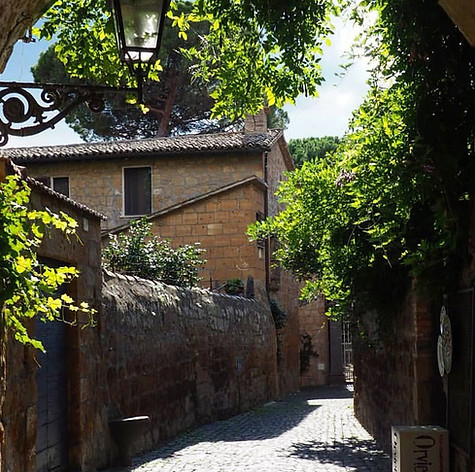
A DAY TROP TO ORVIETO
One sunny day Ishy and I took a day trip from Rome to Orvieto, a small hilltop town in Umbria that felt like a complete change of pace from the city. We took the train from Rome and, on arriving, rode the funicular up into the old town, which immediately made the whole trip feel a little more adventurous.
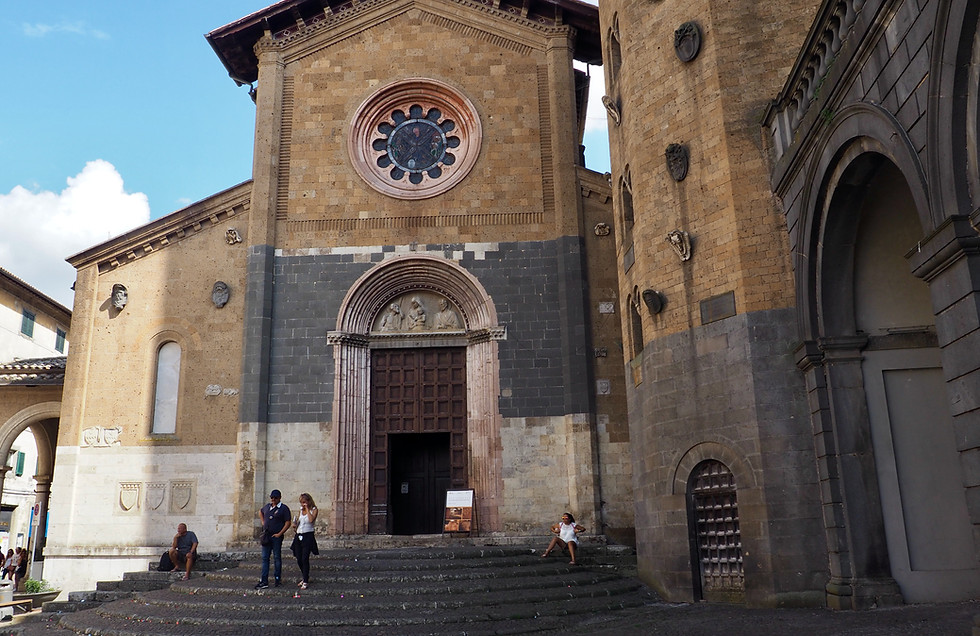
Orvieto is best wandered slowly: up and down its quaint, hilly streets, past stone houses, small shops, quiet corners, and sudden views. The main draw is the magnificent Duomo di Orvieto, formally the Cattedrale di Santa Maria Assunta, with its dramatic Gothic façade, mosaics, and almost theatrical presence in the main square.
It was an easy, lovely escape from Rome: slower, smaller, and full of the kind of wandering that makes Italian hill towns so irresistible.


I spent several weeks based in Rome, and still left with things undone. But perhaps that is exactly how Rome is meant to be experienced: never fully completed, always calling you back. After all, all roads lead to Rome.